BEHIND THE DISCONTENT: The Transitional Fan
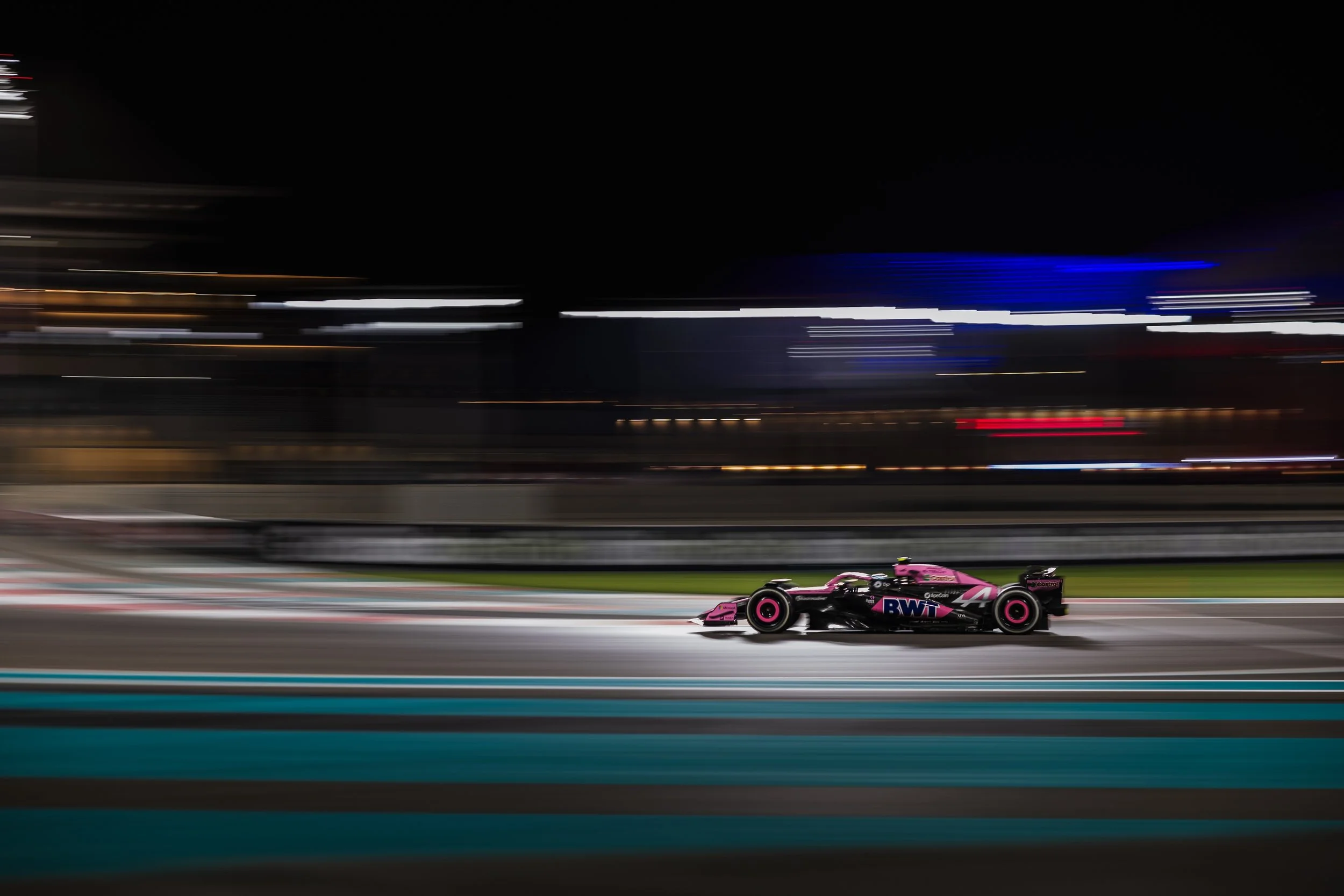
An Alpine F1 car whizzing past on the track. (Image credit: Jay Hirano - Shutterstock)
What is all this talk about Formula 1 losing its spark? Curiously, it seems to be gaining momentum at the same time.
The apparent dissatisfaction is worth examining, because the answer is not in the regulations, the celebrity guest list, or the number of influencers spotted in the paddock. It is found in a structural shift that Formula 1, its media partners, and its commercial partners have not yet fully understood or addressed.
For a long time, F1 had all the on-track excitement but not much else. Core racing fans were satisfied. Casual and prospective fans were not. Then the sport found a sweet spot under Liberty Media's ownership: on-track action paired with celebrity presence, drivers expressing their personalities on social media, lifestyle elements woven into the race weekend, and teams building compelling new identities. For a time, that combination kept both old and new audiences engaged. That balance has since shifted, hence the growing discourse declaring that F1 has lost the plot.
Interestingly, this chatter is coming from both long-time and relatively recent fans. Both groups are worth listening to.
It’s important to understand that F1 did not suddenly change course. The COVID lockdowns gave Drive to Survive a significant growth spike, and F1 responded immediately, serving an entirely new audience at a pace that tracked well with that growth curve. Five years on, many of those fans have graduated from being newcomers but have not yet settled into being deeply-entrenched followers. They are in transition. And that is where the story is.
Introducing the Transitional Fan
This is a fan category that Formula 1, and most sports chasing comparable growth, does not yet have a name for. The transitional fan.
F1 has historically managed two distinct audiences well: the long-time faithful, who need no onboarding, and the brand-new entrant, who simply needs an entry point, typically drawn in by hype, recommendation or general interest. The transitional fan sits between these two groups, moving deliberately from the new-entrant phase toward deep, entrenched fandom. They are not casual, but they are not yet core. They are in the most active and consequential phase of the fan journey, and they are currently the fastest-growing segment of F1's audience, arguably now larger in number than the long-time core fan base across many territories.
This fan does not need an introduction to the sport. They need depth made accessible. They need the sport to meet them at the point where curiosity tips into genuine investment. They understand the terminology beyond a basic level but desire knowledge of the sport's deeper complexities. They might not be able to construct a full tyre strategy before a race, but they understand the difference between compounds and can quickly grasp the reasoning behind a strategic call as a race develops. They appreciate the race itself just as much as they appreciate seeing Idris Elba, Tom Brady or Bella Hadid on the pre-race Grid Walk. Rather than gatekeep, they are keen to demonstrate their growing knowledge and would eagerly encourage newer fans into the sport or further up the fandom ladder.
The infrastructure that properly caters to this fan does not yet exist in Formula 1. As a result, there is growing discontent coming directly from this group. They are not disenchanted with the sport. They are outgrowing the version of it that was built to attract them and cannot yet find anything designed to serve where they currently are.
This discontent is legible in the data. It shows up as declining viewership for specific races, app downloads without strong repeat usage, disgruntled commentary online, and a general detachment from race attendance and merchandise purchases. It also shows up as increased social media views without commensurate engagement in likes and shares, which is a reliable signal that an audience is looking for satisfaction and not finding it.
What This Means for the Sport and Its Partners
The regulations conversation sits within this same frame. At no point in Formula 1's history has its entire audience been simultaneously satisfied. It is a statistical impossibility. In under a decade, the central complaint has shifted from Mercedes’ sustained dominance to Red Bull's, to whispers about McLaren's internal team politics. The on-track narrative is always in motion.
Long-time core fans bring the most sophisticated reading of what the current regulations are attempting to achieve. Formula 1 has pursued changes that signal greater opportunity for overtaking and on-track excitement, both to re-engage transitional fans and to hold the attention of newer ones, but not with the intention to alienate to the long-time faithful fans. Whether this regulatory cycle has delivered on that promise is a question the current season will answer, and it is clearly being addressed. What is certain, though, is that regulations are cyclical. The balance disrupted in pursuit of advancement will correct itself. It always does.
What matters more, particularly for brands and commercial partners seeking to build meaningful positions within this sport, is that Formula 1 is building something long-term. New fans will have entry points. Transitional fans will eventually have the content, experiences and platforms they need to grow within the sport. Long-time fans who step back temporarily will always find a way back in. F1 is simultaneously extending its cultural reach in ways designed to make the sport a permanent fixture in daily life, not a trend to be cycled through.
The transitional fan is the most commercially significant audience segment that Formula 1's partner ecosystem is not yet directly addressing. Understanding this group, their behaviour, their appetite, and their trajectory, is not just a content strategy question. It is a commercial one.