THE TEAMS.
We’ve got 11 teams. Let’s tell you all about them.
THINK OF IT LIKE THIS…
Formula 1 is a war between eleven organisations, each with hundreds of staff, spending hundreds of millions of dollars every year, all chasing the big win.
WHAT ARE THE TEAMS?
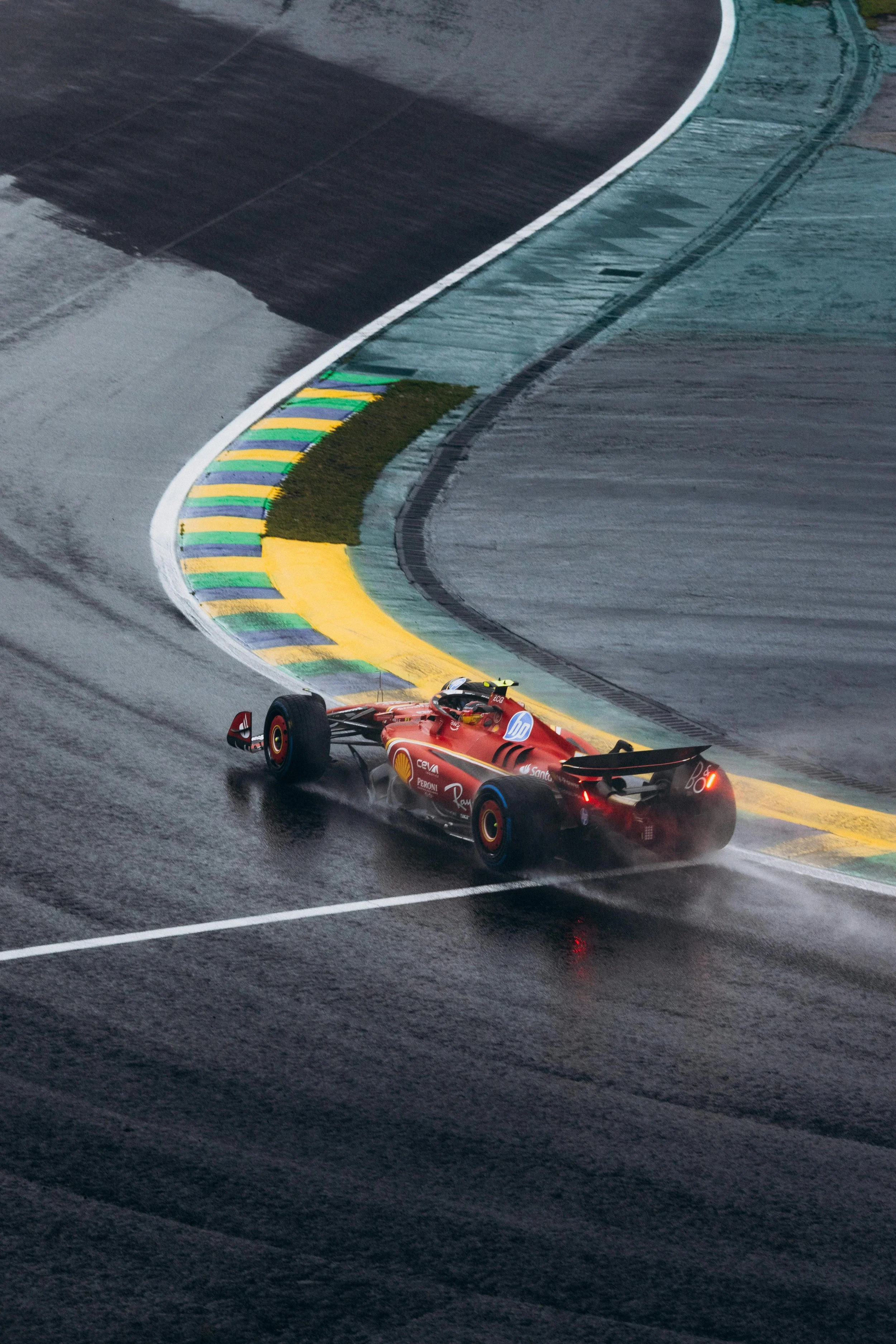
Each Formula 1 team (also called a constructor) designs, builds and races two cars per season. They employ aerodynamicists, engineers, strategists, mechanics, data analysts, performance coaches, logistics experts and more. The biggest teams have over a thousand employees. On a race weekend, each team typically brings around 60 to 80 people to the circuit. Behind the scenes at the factory, hundreds more are working on the next upgrade, the next car, the next season. It’s a huge operation!
Teams compete not just for the Drivers' Championship, which is the title awarded to the best individual driver who scores the most points at the end of the season, but also for the Constructors' Championship, which goes to the team that scores the most combined points across both its cars over the entire season.
The Constructors' Championship is in many ways the more prestigious of the two, as it determines prize money, prestige and the bragging rights of the organisation.
THE 2026 GRID
MCLAREN
Official Team Name: McLaren Formula 1 Team
Popularly Referred To As: McLaren
Team Principal: Andrea Stella
2026 Driver Line-up: Lando Norris, Oscar Piastri
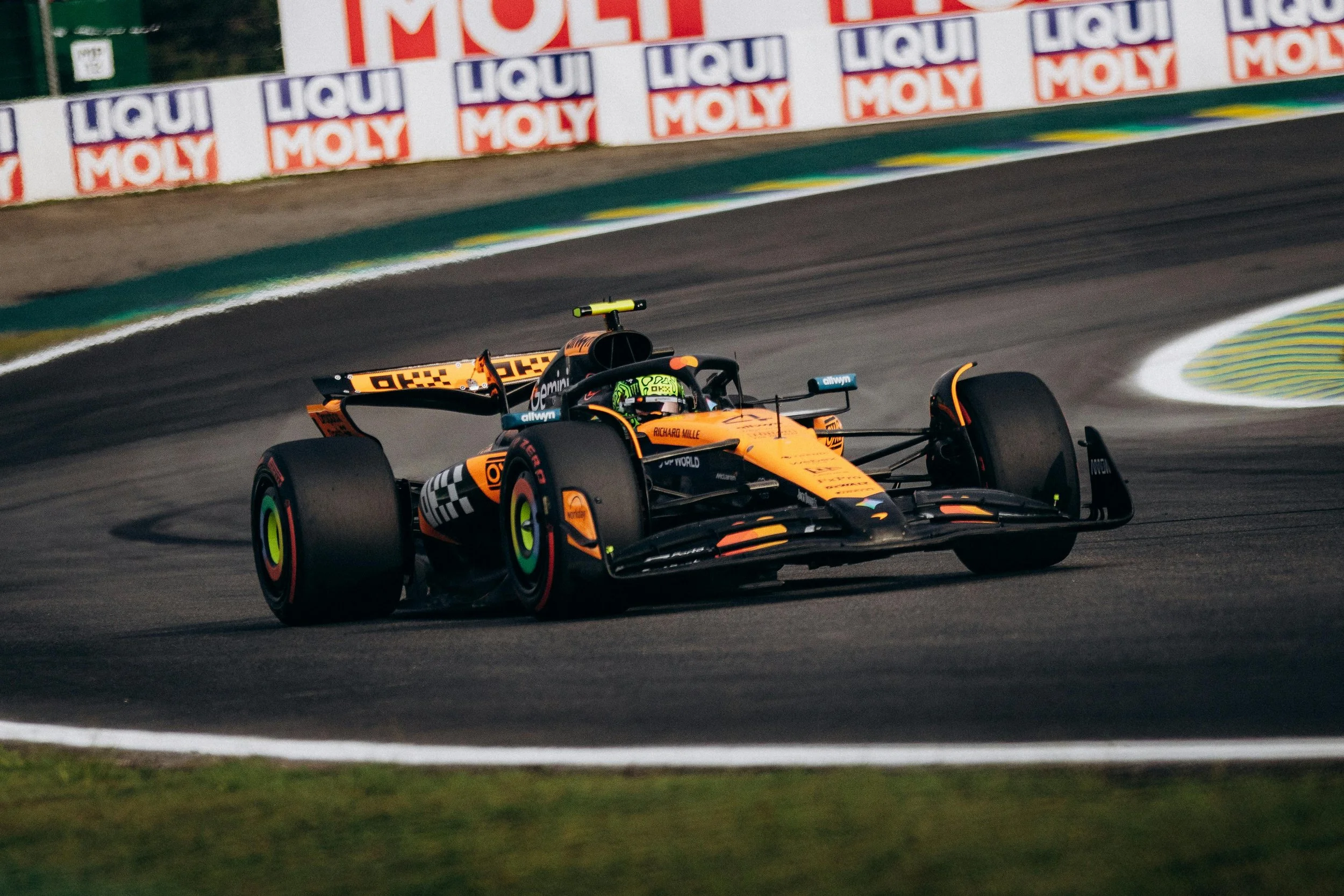
The Name: McLaren has raced under the same name since founder Bruce McLaren established the team in 1963. Title sponsors have come and gone over the decades, most notably Marlboro, West, Vodafone and now Mastercard, but the McLaren name has always remained front and centre. The “papaya orange” livery, restored in 2017 after years of silver and chrome, is now one of the most recognisable team colours in the sport.
Who They Are: McLaren are the comeback kids of Formula 1, a team with a glittering past, a difficult middle chapter and a triumphant present. Founded by New Zealand driver Bruce McLaren, they won their first race in 1968 and went on to become one of the most dominant forces in the sport's history. Ayrton Senna won three world titles here. Alain Prost won three. Mika Hakkinen won two. Lewis Hamilton won one. After a decade of struggle in the 2010s, McLaren rebuilt quietly and brilliantly, winning back-to-back Constructors Championships in 2024 and 2025 and the Drivers Championship with Lando Norris in 2025. They arrive in 2026 as reigning champions on all fronts.
The Fanbase Vibe: McLaren fans are optimistic, loyal and slightly chaotic. They lived through some truly dark years and came out the other side stronger for it. There is a deep appreciation for the team's history alongside genuine excitement about where things are heading. Lando Norris has brought in a wave of younger, more diverse fans who found the sport through social media and stayed for the racing. The fanbase skews young and culturally switched on. Oscar Piastri brings a fresh air of calm to the grid with his ever-controlled “cool as a cucumber” vibe.
Why You Might Support McLaren: You love a comeback story. You want a team that is at the front of the grid right now but still carries the hunger of a team that remembers what rock bottom felt like. You love exciting team events and experiences. Lando Norris and Oscar Piastri are two of the most exciting drivers on the grid and the papaya orange livery looks extraordinary on any circuit. If you want to support the reigning champions with personality, McLaren is your team. If you like fashion and style, check out their collaboration with Reiss!
Follow McLaren Website: mclaren.com/racing Instagram: @mclaren X: @McLarenF1 YouTube: McLaren
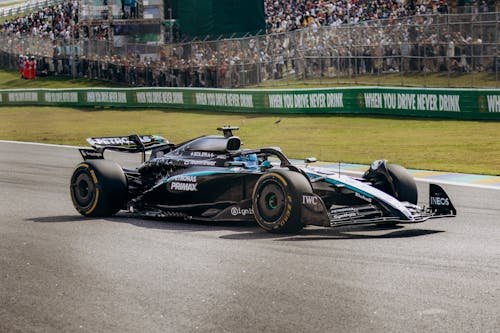
MERCEDES
Official Team Name: Mercedes-AMG Petronas Formula One Team
Popularly Referred To As: Mercedes
Team Principal: Toto Wolff
2026 Driver Line-up: George Russell, Kimi Antonelli
The Name: The current Mercedes works team has a complicated family tree. The entry began life as Tyrrell Racing in the 1970s, became British American Racing (BAR) in 1999, then Honda Racing F1 in 2006, then Brawn GP in 2009, before Mercedes purchased the team and relaunched it in 2010 as Mercedes GP Petronas Formula One Team. In 2012 the name changed to Mercedes-AMG Petronas Formula One Team, incorporating AMG, the brand's high performance division. The Silver Arrows nickname predates all of this, rooted in Mercedes' legendary pre-war Grand Prix cars, which were stripped of their white paint to save weight and raced bare silver.
Who They Are: Mercedes are the most dominant team of the modern era, having won eight consecutive Constructors Championships between 2014 and 2021, a record that may never be broken. Built around Lewis Hamilton and the genius of technical leadership, they rewrote what Formula 1 dominance could look like. After a difficult 2022 to 2024 transition period, Mercedes have roared back in 2026 with a car that has won all three races so far. Nineteen-year-old Kimi Antonelli, the youngest driver on the grid, leads it overall. The Silver Arrows are back.
The Fanbase Vibe: Mercedes fans are composed, analytical and extremely proud. They lived through the greatest dynasty in modern F1 history and carry that confidence with them. Since Hamilton's departure for Ferrari there has been a generational shift in the fanbase. The team’s new fans are arriving for Antonelli's remarkable story, established fans staying loyal to the team that gave them a decade of dominance. The fanbase is global, particularly strong in Germany, across Africa, the UK and across Asia.
Why You Might Support Mercedes: Technical excellence. You are drawn to the precision engineering and the story of a team that stumbled and found its way back to the front. You want to follow Kimi Antonelli's journey. He was signed at 12, racing at 19, and currently leading the championship. This is one of the most compelling stories in the sport. If you want excellence and you want it now, Mercedes is your team.
Follow Mercedes: Website: mercedesamgf1.com Instagram: @mercedesamgf1 X: @MercedesAMGF1 YouTube: Mercedes-AMG Petronas Formula One Team
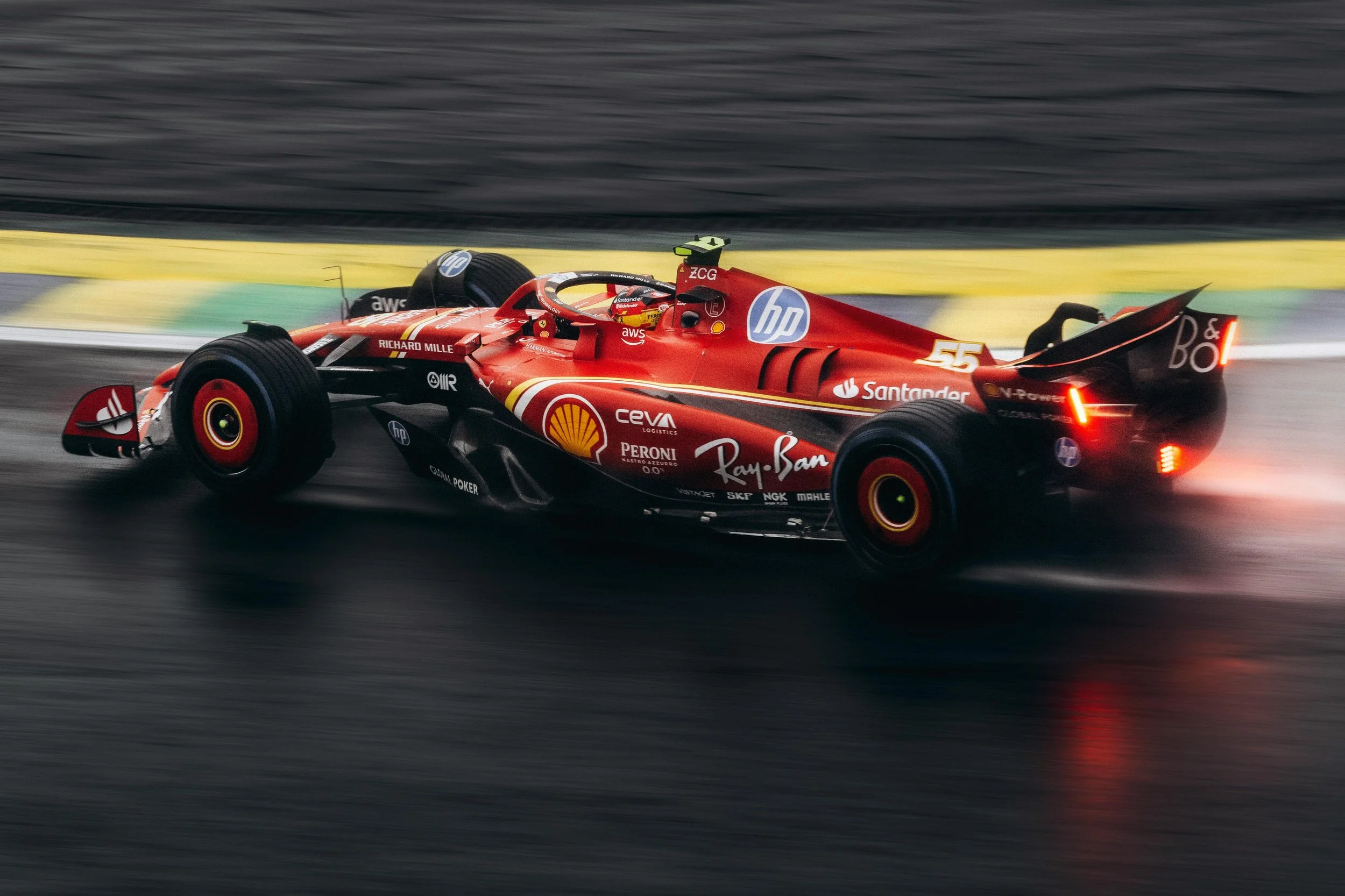
FERRARI
Official Team Name: Scuderia Ferrari
Popularly Referred To As: Ferrari
Team Principal: Fred Vasseur
2026 Driver Line-up: Charles Leclerc, Lewis Hamilton
The Name: Ferrari is the only team to have competed in every single Formula 1 World Championship season since 1950. The name has never changed. Sponsors come and go, Shell, Marlboro, Santander, Mission Winnow, even HP, but it is always Scuderia Ferrari. Always the Prancing Horse. Always red. The constancy of that identity is itself part of what makes Ferrari unlike any other team in sport.
Who They Are: Ferrari are not just a Formula 1 team. They are the sport's heartbeat, its most romanticised institution and its most painful drama. Sixteen Constructors Championships and fifteen Drivers titles tell part of the story. The rest is written in the decades of heartbreak, near misses that have made their fanbase (the Tifosi) one of the most passionate in sport. In 2026 they have assembled what many consider the most exciting driver pairing in the history of the team: Charles Leclerc, alongside Lewis Hamilton, the greatest driver of his generation. Ferrari currently sit second in the championship. The title is very much within reach.
The Fanbase Vibe: Ferrari fans feel everything. Every win is historic. Every loss is a tragedy. The emotion runs deep and the loyalty runs deeper. Whether you are watching from Maranello, Lagos or Cape Town, putting on red means joining one of the largest and most passionate sporting communities on earth. Hamilton's arrival has brought an enormous wave of new fans to the team, particularly Black fans around the world who see his presence in red as genuinely historic.
Why You Might Support Ferrari: Because Lewis Hamilton is there. Because Charles Leclerc is extraordinary. Because red is the most beautiful colour on a racing car and always has been. Because there is no feeling in sport quite like a Ferrari winning at Monza with 200,000 fans losing their minds in the grandstands. If you want history, passion and the highest emotional stakes in motorsport, Ferrari is your team.
Follow Ferrari: Website: ferrari.com/en-EN/formula1 Instagram: @scuderiaferrari X: @ScuderiaFerrari YouTube: Scuderia Ferrari
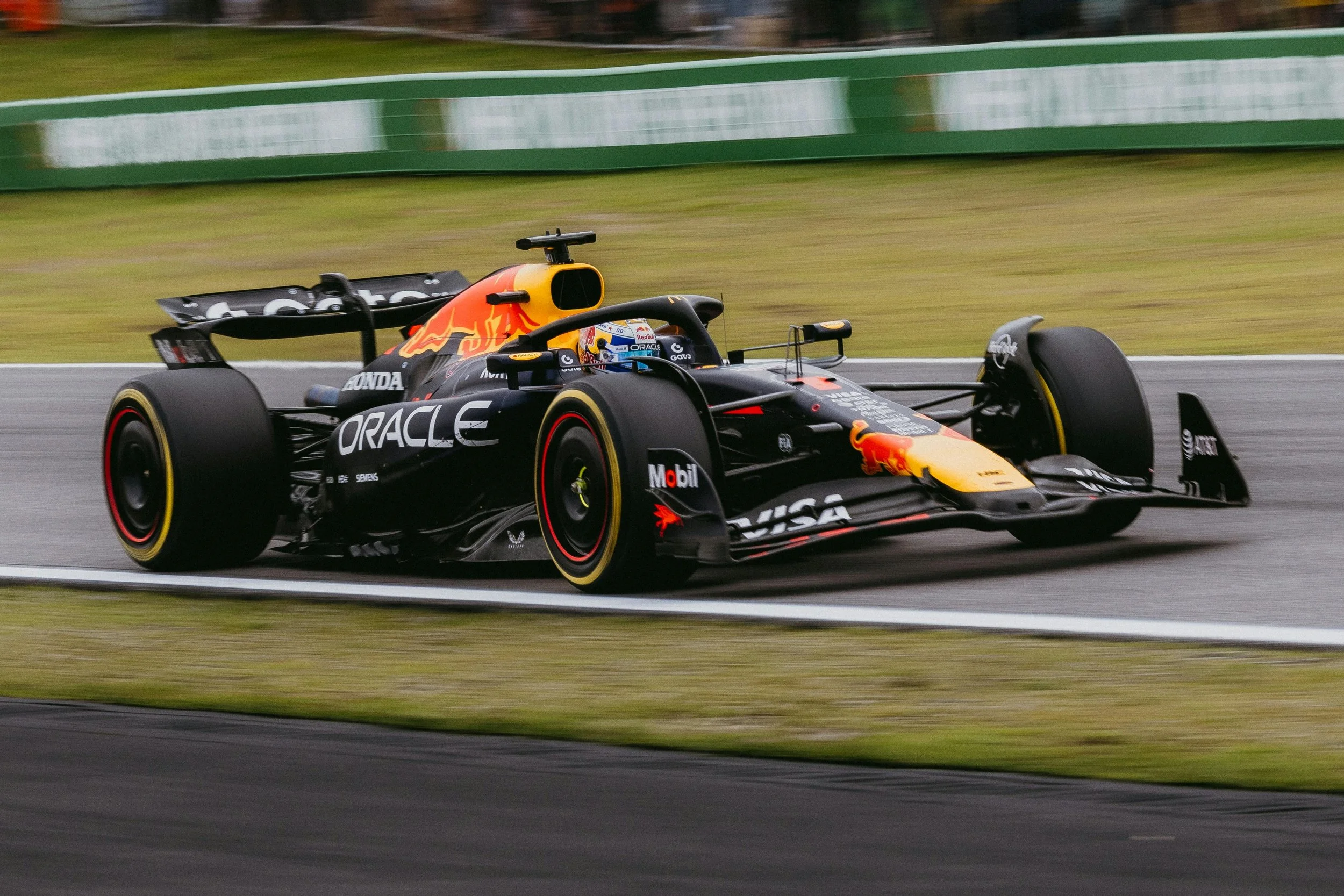
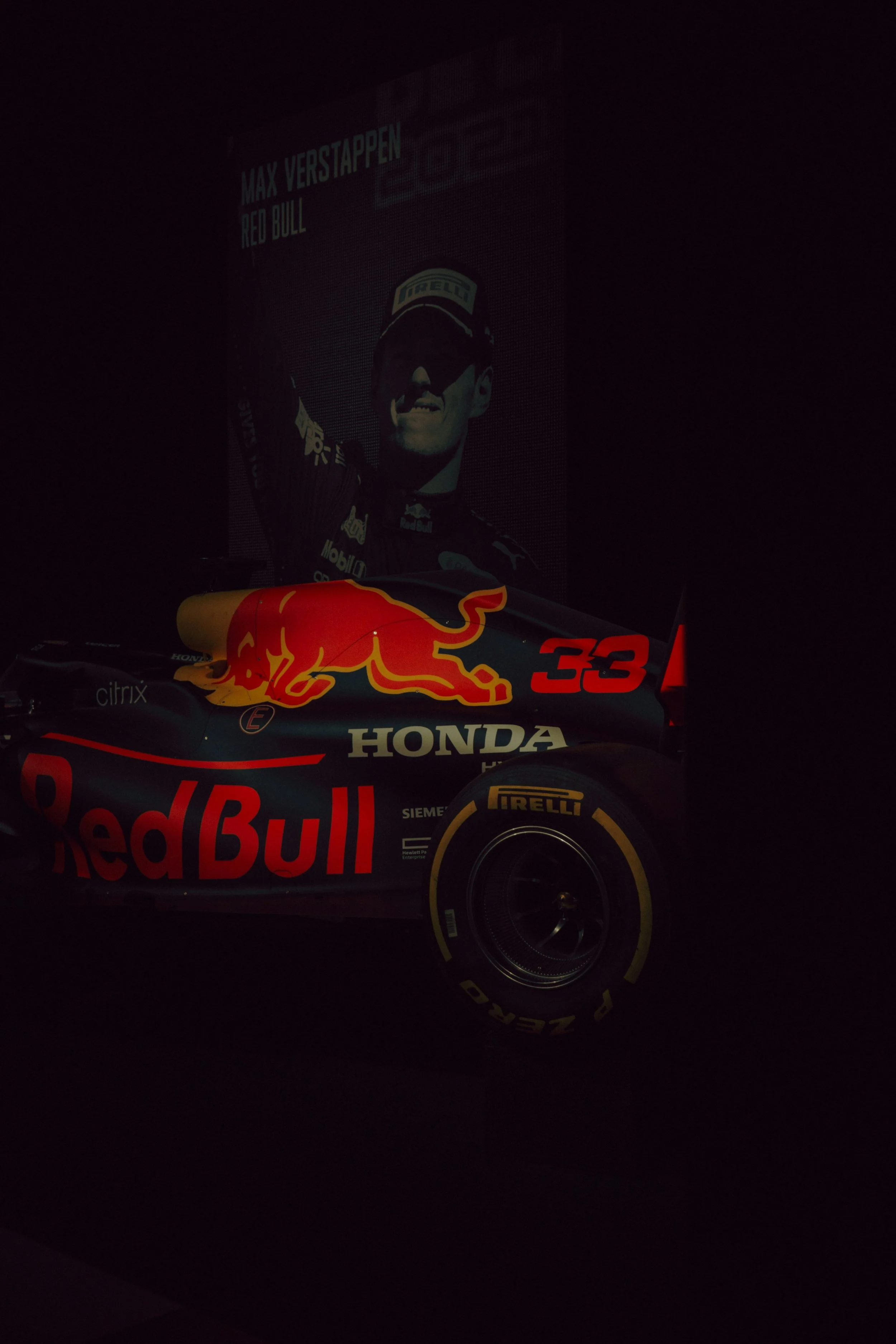
RED BULL
Official Team Name: Oracle Red Bull Racing
Popularly Referred To As: Red Bull
Team Principal: Laurent Mekies
2026 Driver Line-up: Max Verstappen, Isack Hadjar
The Name: Red Bull Racing was formed in 2005 when the energy drink company purchased the Jaguar Racing team, which had itself been the successor to the Stewart Grand Prix team founded in 1997. The team has raced as Red Bull Racing since its inception, with title sponsors coming and going in the team name, most notably Infiniti Red Bull Racing from 2013 to 2015 and currently Oracle Red Bull Racing from 2022. The RB livery in blue, red and yellow is one of the most recognisable in the sport.
Who They Are: Red Bull Racing are the team that broke everything. Between 2010 and 2013 they won four consecutive Drivers and Constructors Championships with Sebastian Vettel. Between 2021 and 2024 they did it again with Max Verstappen, four consecutive Drivers titles and a Constructors double. At their peak in 2023, Verstappen won 19 of 22 races. It was the most dominant single season in Formula 1 history. In 2026 they are a team in transition, struggling with new regulations, key personnel departures and a visibly unhappy Max Verstappen. The empire is rebuilding.
The Fanbase Vibe: Red Bull fans are loud, energetic and confident. They have been spoiled by success. Max Verstappen's personal fanbase (particularly the Dutch Orange Army) is one of the most visible forces in any grandstand in Europe. The team's energy drink brand identity gives them a younger, more irreverent feel than most.
Why You Might Support Red Bull: You back winners and you back characters. Verstappen is one of the most gifted and most complicated drivers in the history of the sport, and he is genuinely extraordinary behind the wheel, genuinely combustible outside of it. If you want a team with an identity unlike any other in the paddock, a driver who races on the absolute edge, and the possibility of watching an empire rise again, Red Bull is your team.
Follow Red Bull Racing: Website: redbullracing.com Instagram: @redbullracing X: @redbullracing YouTube: Red Bull Racing
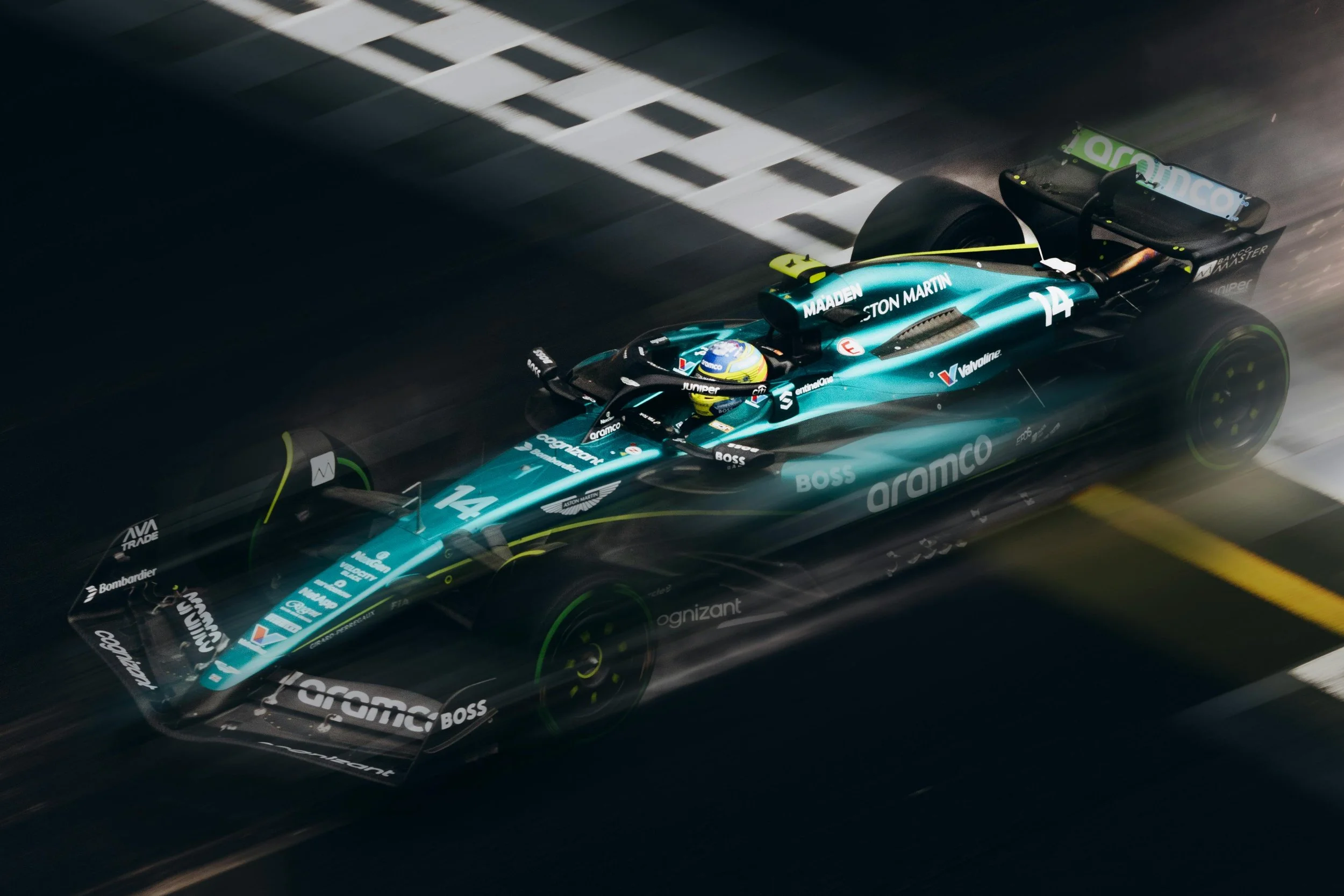
ASTON MARTIN
Official Team Name: Aston Martin Aramco Formula One Team
Popularly Referred To As: Aston Martin
Team Principal: Andy Cowell
2026 Driver Line-up: Fernando Alonso, Lance Stroll
The Name: This team has one of the most complex name histories on the grid. It began as Jordan Grand Prix in 1991, founded by Eddie Jordan. It became Midland F1 in 2006, then Spyker F1 in 2007, then Force India in 2008, under which it became a genuine points-scoring force. In 2019 it was rebranded Racing Point after a new ownership group led by Lawrence Stroll took over. In 2021, Lawrence Stroll completed the acquisition of the Aston Martin road car brand and renamed the team Aston Martin, bringing one of motorsport's most storied names back to Formula 1 for the first time in over 60 years. The current full name is Aston Martin Aramco Formula One Team.
Who They Are: Aston Martin are the sport's most tantalising work in progress. Lawrence Stroll invested heavily, signed design genius Adrian Newey (who was previously at Red Bull) and built an extraordinary new factory at Silverstone. The ambition is enormous. The 2026 reality has been humbling, because the car has been uncompetitive and unreliable and neither Fernando Alonso nor Lance Stroll has yet scored a point. But this is a team with genuine long-term foundations and the history of F1 is full of stories about teams that struggled early and emerged as champions. Aston Martin intend to write one of those stories.
The Fanbase Vibe: Aston Martin fans are patient, stylish and somewhat philosophical. Many are drawn by the brand's elegance and British racing pedigree. There is a belief in the project even when the results do not yet reflect the ambition.
Why You Might Support Aston Martin: You are drawn to potential over immediate results. You love an underdog with resources. You appreciate the aesthetic (Aston Martin’s British racing green is the most classically elegant livery in the paddock). If you want to be there from the beginning of what could become a great story, Aston Martin is your team.
Follow Aston Martin: Website: astonmartinf1.com Instagram: @astonmartinf1 X: @AstonMartinF1 YouTube: Aston Martin F1 Team
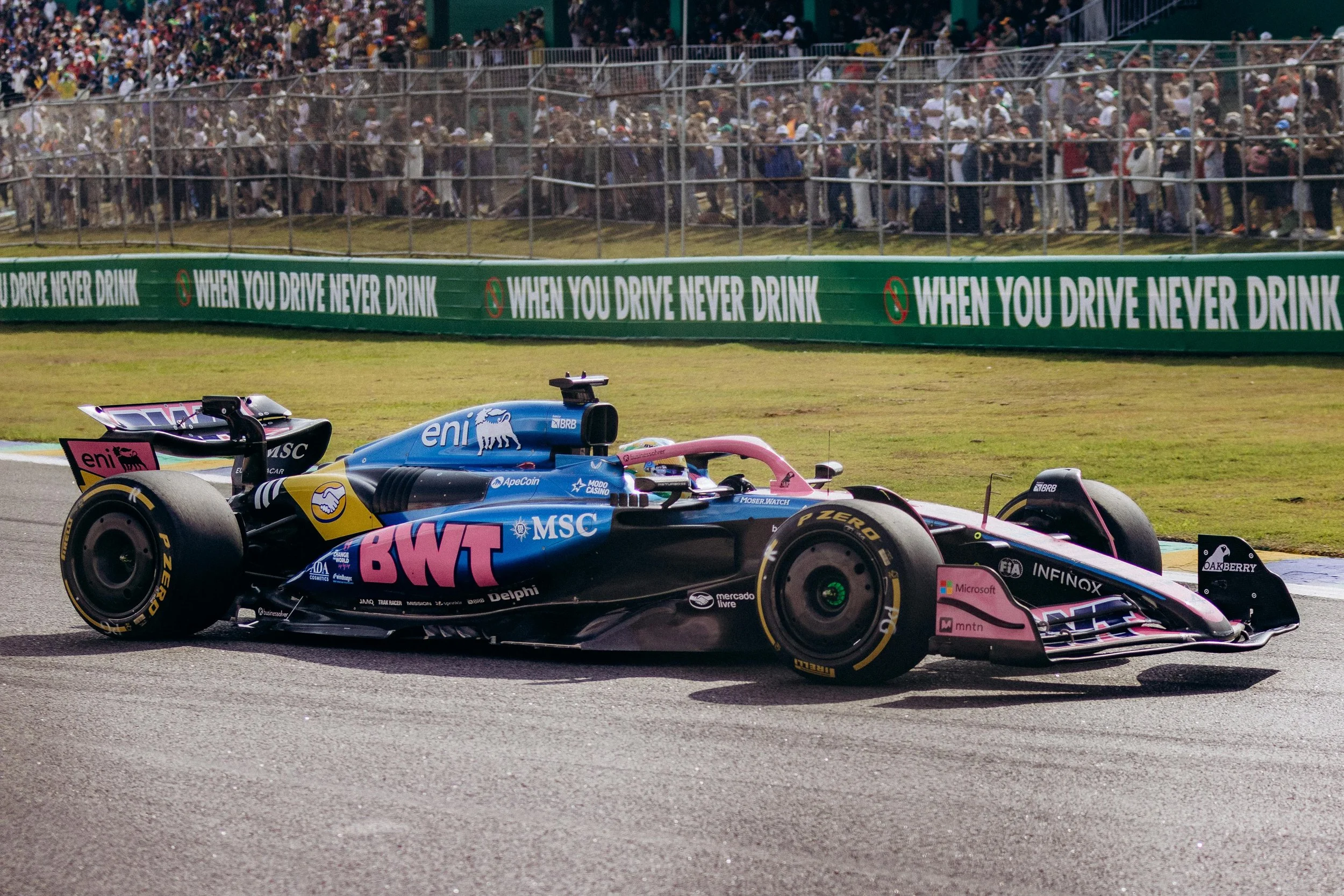
ALPINE
Official Team Name: BWT Alpine Formula One Team
Popularly Referred To As: Alpine
Team Principal: Oliver Oakes
2026 Driver Line-up: Pierre Gasly, Franco Colapinto
The Name: The Enstone-based factory has housed more teams than almost any other building in Formula 1. It began as Toleman in 1981, the team that gave Ayrton Senna his debut. Benetton took over in 1986 and won two Drivers Championships with Michael Schumacher in 1994 and 1995. Renault purchased it in 2002 and won two more with Fernando Alonso in 2005 and 2006. The team became Lotus from 2012 to 2015, then Renault again from 2016 to 2020, before the Alpine brand (Renault's performance subsidiary) took over in 2021.
Who They Are: Alpine are the sport's most fascinating identity puzzle. They’re a team with a championship-winning history buried under layers of rebranding, currently finding their footing as a customer team under a relatively new leadership structure. Pierre Gasly is their experienced anchor. Franco Colapinto, the young Argentine, has brought enormous Latin American passion to the team. The Enstone base has produced championship-winning cars before. The knowledge is there.
The Fanbase Vibe: Alpine fans are eclectic, culturally curious and slightly underserved. Many came through the Renault era or through Alonso's time with the team. Colapinto's arrival has brought a wave of passionate South American fans. The team's French identity gives it a certain stylish, left-of-centre quality that is genuinely its own.
Why You Might Support Alpine: You want a team with layers. You appreciate that the factory that makes this car has produced world champions and you believe it can again. You love the Colapinto story, a young driver from Argentina carrying the dreams of an entire continent. If you want something a little different and a team that feels like it is on the verge of something, Alpine is your team. Having two really cute drivers doesn’t hurt either!
Follow Alpine Website: alpine-cars.co.uk/formula-1 Instagram: @alpinef1team X: @AlpineF1Team YouTube: Alpine F1 Team
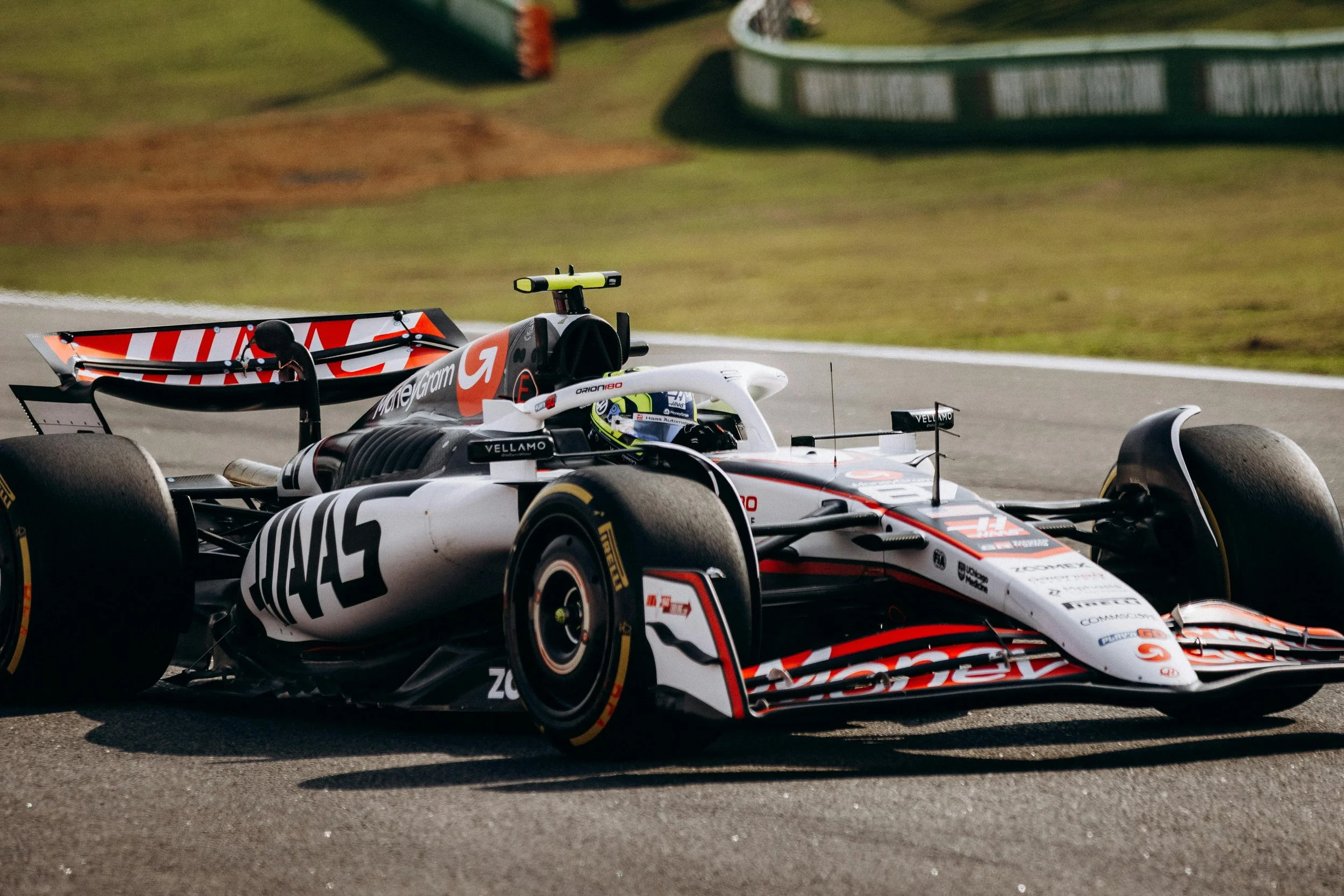
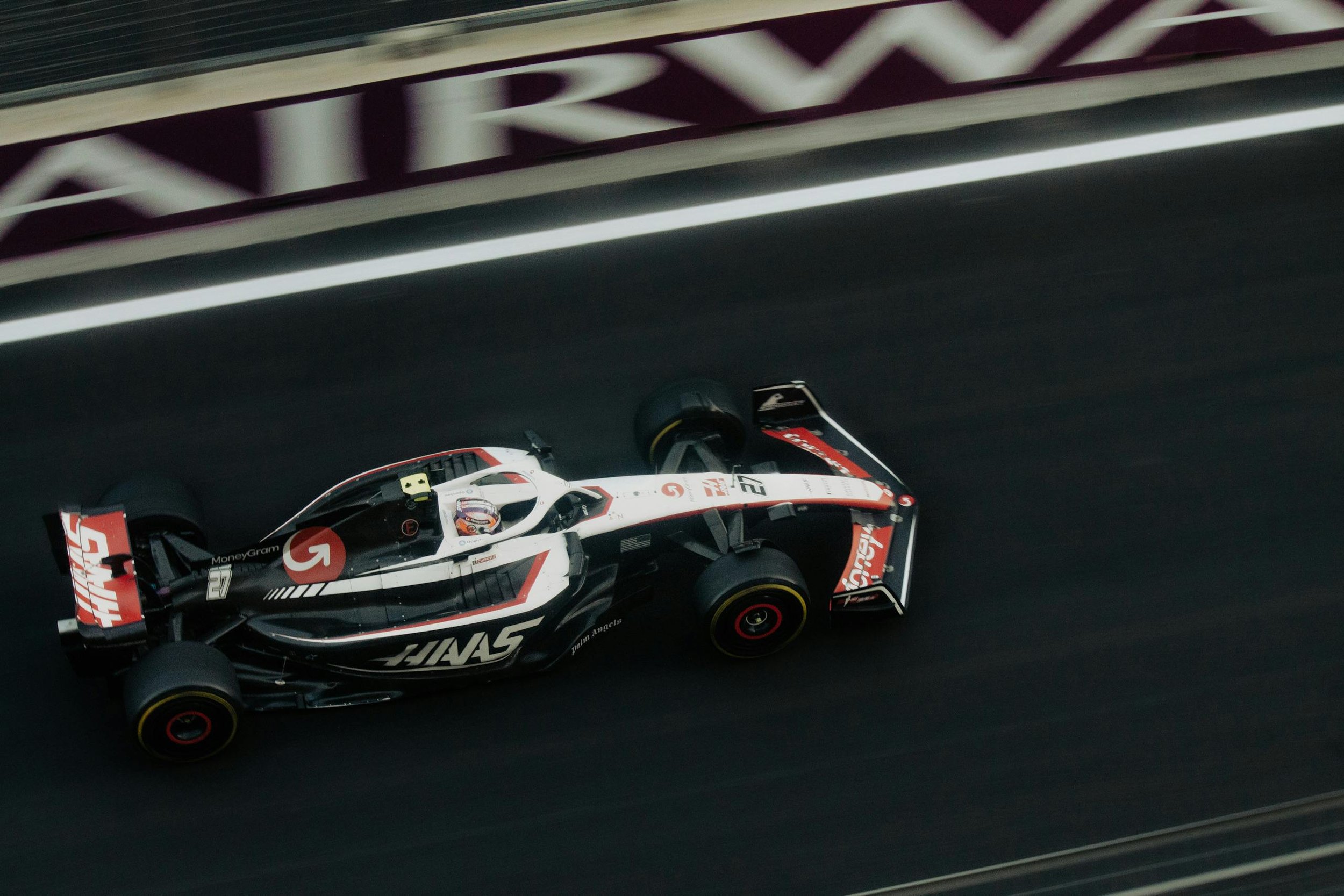
HAAS
Official Team Name: TGR Haas F1 Team (TGR = Toyota Gazoo Racing)
Popularly Referred To As: Haas
Team Principal: Ayao Komatsu
2026 Driver Line-up: Esteban Ocon, Oliver Bearman
The Name: Haas F1 Team was founded in 2016 by Gene Haas, the American machine tool entrepreneur who also co-owns the NASCAR Cup Series team Stewart-Haas Racing. It was the first American Formula 1 constructor to enter the championship since 1986. The team's full name has changed with title sponsors, most recently becoming the TGR Haas F1 Team in 2026 following a partnership with Toyota Gazoo Racing. The team uses Ferrari power units and technical support.
Who They Are: Haas are the American team that refuses to be overlooked. They arrived in 2016 with no wins and no championships to their name and they have been punching above their weight ever since. In 2026 they have been one of the most pleasant surprises on the grid, with Esteban Ocon scoring points consistently and Oliver Bearman emerging as one of the most compelling young stories in the sport after surviving a terrifying crash at Suzuka and returning stronger. Small team. Big heart.
The Fanbase Vibe: Haas fans are scrappy, passionate and genuinely delighted whenever their team scores points. There is an underdog energy here that is hard not to love. The American connection brings in a fanbase that overlaps with motorsport culture more broadly, think NASCAR fans, IndyCar fans, people who found Formula 1 through Drive to Survive and stayed.
Why You Might Support Haas: Because Oliver Bearman is one of the most exciting young drivers in the sport and you want to say you were there from the beginning. Because backing a smaller team and watching them overachieve is one of the purest pleasures in Formula 1. If you want to root for the team that was not supposed to be this good, Haas is your team.
Follow Haas: Website: haasf1team.com Instagram: @haasf1team X: @HaasF1Team YouTube: Haas F1 Team
WILLIAMS
Official Team Name: Atlassian Williams Racing
Popularly Referred To As: Williams
Team Principal: James Vowles
2026 Driver Line-up: Carlos Sainz, Alexander Albon
The Name: Williams has raced under the same name since Sir Frank Williams and Patrick Head founded the team in 1977. Like Ferrari, the Williams name has endured through every era. Title sponsors have featured prominently, including Canon, Rothmans, Compaq, RBS, Martini and now Atlassian, but the team has always been Williams. In 2020, following financial difficulties worsened by the pandemic, the Williams family sold the team to American investment firm Dorilton Capital, ending over four decades of family ownership.
Who They Are: Williams are Formula 1 royalty going through a renaissance. Between 1980 and 1997 they were one of the two or three most dominant forces in the sport, winning nine Constructors Championships and producing world champions including Nelson Piquet, Nigel Mansell, Alain Prost and Damon Hill. The two decades that followed were difficult. But under James Vowles, who arrived from Mercedes in 2023, the rebuild has genuine substance. Carlos Sainz delivered two podiums in 2025. Alexander Albon is one of the most underrated drivers on the grid. The foundations are solid.
The Fanbase Vibe: Williams fans carry a deep historical pride and a patient optimism. Many have been watching this team for decades and remember exactly how good they once were. The fanbase is older on average, deeply knowledgeable and enormously respectful of the team's heritage. Newer fans drawn in by Sainz's arrival bring fresh energy to a community that has been waiting a long time for sustained success. The team is engineering one of the most prolific young fan communities on the grid.
Why You Might Support Williams: Because few comeback stories in sport have the historical weight of this one. Because Sainz is one of the most likeable drivers on the grid and Albon's personal story is genuinely extraordinary. Because backing Williams right now means being there for the beginning of what could be one of the great team revivals in Formula 1 history. Their fan engagement activities are some of the best on the grid. If you love heritage and believe in the return of greatness, Williams is your team.
Follow Williams: Website: williamsf1.com Instagram: @williamsracing X: @WilliamsRacing YouTube: Williams Racing
VCARB
Official Team Name: Visa Cash App Racing Bulls Formula One Team
Popularly Referred To As: Racing Bulls
Team Principal: Alan Permane
2026 Driver Line-up: Liam Lawson, Arvid Lindblad
The Name: This team has perhaps the most colourful name history on the grid. It began as Minardi in 1985, competed for two decades and never won a race but was adored for its scrappiness and character. Red Bull purchased it in 2006 and renamed it Scuderia Toro Rosso (Italian for Red Bull). In 2020 it became Scuderia AlphaTauri, named after Red Bull's fashion brand. In 2024 it was rebranded once more as Visa Cash App Racing Bulls Formula One Team, commonly shortened to Racing Bulls or VCARB. Whatever the name, it has always been Red Bull's development team, where young drivers prove themselves before promotion.
Who They Are: Racing Bulls are the proving ground. The team exists to develop Red Bull's next generation of drivers, which means they regularly field some of the most exciting young talent on the grid before those drivers graduate to the senior team. In 2026 they have Liam Lawson and rookie Arvid Lindblad, and they are quietly having a strong season, sitting fourth in the Constructors Championship and outperforming several more established teams. Easy to overlook. Consistently impressive.
The Fanbase Vibe: Racing Bulls fans are curious, attentive and usually deeply knowledgeable. Many follow the team to track the progress of young drivers they believe in. There is a warmth toward the team's Italian Faenza base and a nostalgia for the Minardi and Toro Rosso eras among longer-term followers.
Why You Might Support Racing Bulls: Because Arvid Lindblad is 18 years old and already outqualifying Max Verstappen. Because you want to follow a team where you can genuinely say you spotted the talent early. Because they are fourth in the championship in 2026 and almost nobody is talking about it. If you like being ahead of the curve, Racing Bulls is your team.
Follow Racing Bulls: Website: visacashapprb.com Instagram: @visacashapprb X: @visacashapprb YouTube: Visa Cash App RB
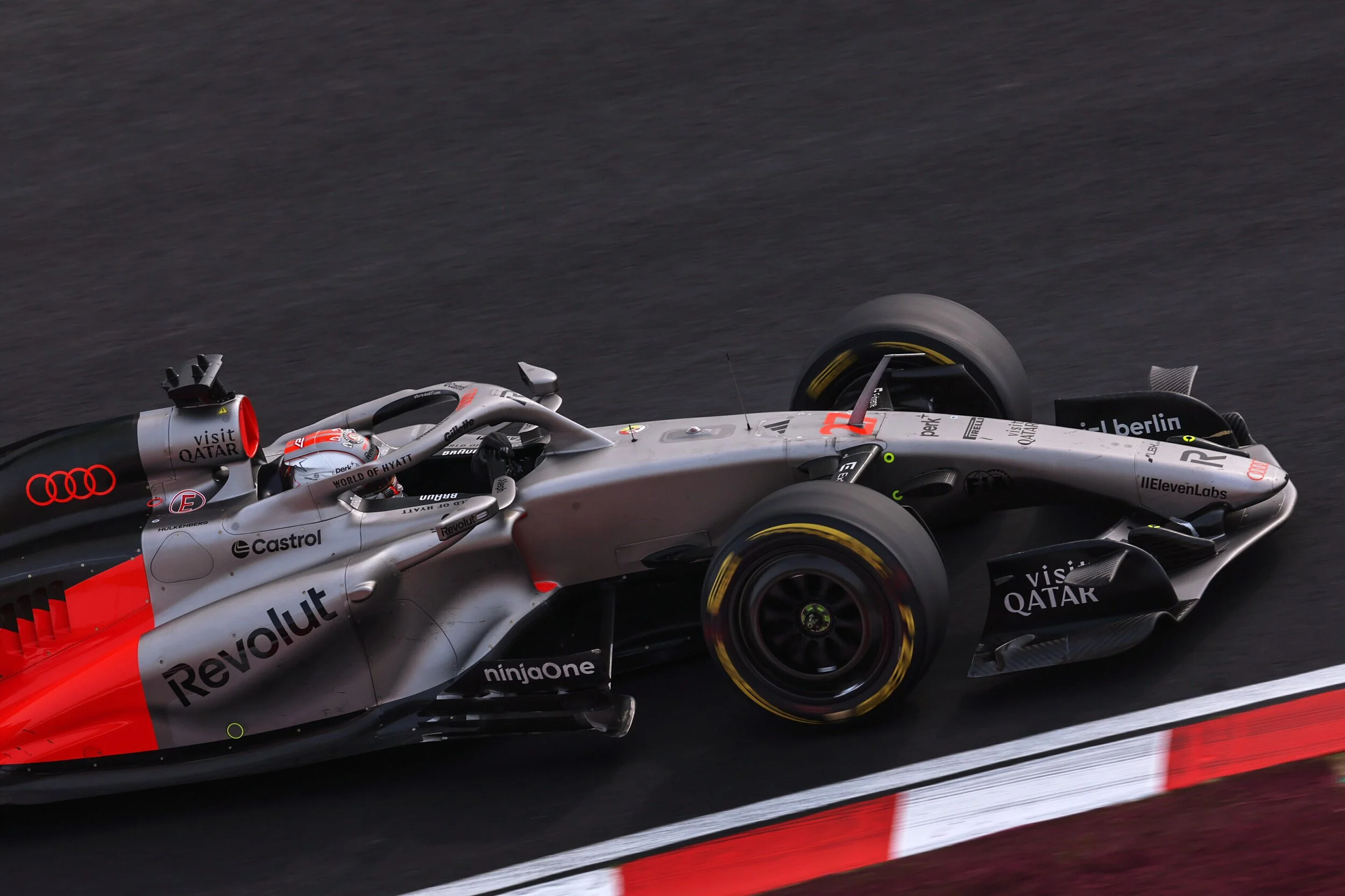
AUDI
Official Team Name: Audi Formula One Team
Popularly Referred To As: Audi
Team Principal: Mattia Binotto
2026 Driver Line-up: Nico Hulkenberg, Gabriel Bortoleto
The Name: The team's entry has one of the richest histories on the grid under a name most people do not associate with it. Peter Sauber founded Sauber in 1993 and the Swiss team earned a reputation for quiet competence and developing talent. In 2005 BMW purchased the team and it raced as BMW Sauber until 2009, winning one race with Robert Kubica at the 2008 Canadian Grand Prix. Sauber repurchased the entry in 2010 and it reverted to the Sauber name. In 2019 Alfa Romeo became title sponsor and it raced as Alfa Romeo Racing, then Alfa Romeo from 2022. In 2024 the Kick energy drink became title sponsor and it raced as Kick Sauber before Audi completed its full takeover ahead of 2026, renaming the team Audi Formula One Team and supplying their own power unit for the first time.
Who They Are: Audi are one of the most exciting long-term projects in Formula 1. The German manufacturer spent years developing their own power unit and arrived in 2026 as a full team with enormous resources and ambition. As for their drivers, Gabriel Bortoleto has shown genuine pace, while Nico Hulkenberg brings experience and consistency. The team is still in a learning phase, but the infrastructure, the engineering talent and the corporate commitment are all there for something significant to be built here.
The Fanbase Vibe: Audi fans are brand loyal, technically curious and patient. Many follow the manufacturer from road cars and endurance racing into Formula 1. The Brazilian fanbase has arrived passionately for Bortoleto. There is a sense of being present at the beginning of something that could become genuinely important.
Why You Might Support Audi: Because you want to be there from day one of what could become a dominant chapter in Formula 1. Because Bortoleto is one of the most complete young talents to arrive on the grid in years and Brazil's relationship with Formula 1 runs deeper than almost any other country's. Because backing a manufacturer with genuine resources and genuine ambition before the results arrive is how the most interesting fan stories begin. If you want to build a fandom from the ground up, Audi is your team.
Follow Audi Website: audif1.com Instagram: @audif1 X: @audif1 YouTube: Audi F1 Team
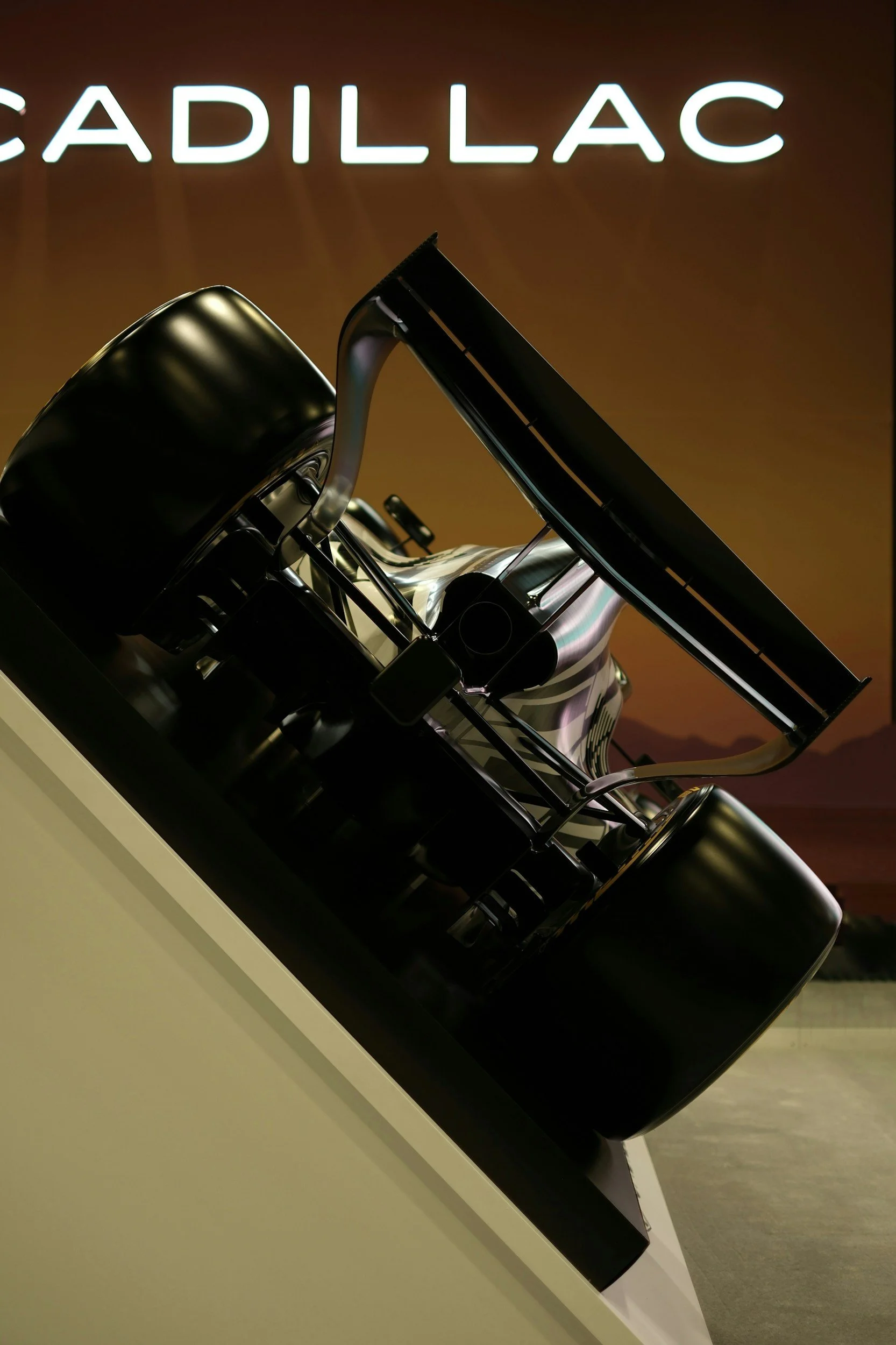
CADILLAC
Official Team Name: Cadillac Formula One Team
Popularly Referred To As: Cadillac
Team Principal: Graeme Lowdon
2026 Driver Line-up: Sergio Perez, Valtteri Bottas
The Name: Cadillac Formula One Team is a brand new entry. They are the eleventh team on the 2026 grid and the first new constructor to join Formula 1 since Haas in 2016. Backed by General Motors and the Cadillac automotive brand, the team spent several years fighting for FIA approval before being granted an entry for 2026. They currently use Ferrari customer power units with plans to develop their own engine by 2029. There are no previous names or identities for this team, this is a clean slate.
Who They Are: Cadillac are exactly where any new team would be in their debut season, at the back of the grid, learning fast and laying foundations. But the names behind them are serious. General Motors is one of the largest automotive companies in the world. Team Principal Graeme Lowdon has decades of experience in Formula 1. Sergio Perez brings fifteen years of racing knowledge and Valtteri Bottas brings championship-winning experience from his Mercedes years. The team launched at the Super Bowl. They mean business.
The Fanbase Vibe: Cadillac fans are optimistic and genuinely excited to have a team they can call their own. The crossover with American sports culture, including NASCAR, NFL and NBA is significant. Sergio Perez's Mexican fanbase has followed him here from Red Bull. There is an energy around this team that feels like the beginning of something much bigger.
Why You Might Support Cadillac: Because you love an origin story. Because there is something genuinely moving about watching a team take its first steps in the most competitive environment in motorsport, and doing it with the resources and the intent to eventually win. Because Perez is one of the most beloved drivers on the grid and watching him build something from scratch is compelling. Because you love Valtteri Bottas’ sense of humor. If you want to say you supported a team before they won their first race, Cadillac is your team.
Follow Cadillac Website: cadillacf1.com Instagram: @cadillacf1 X: @CadillacF1 YouTube: Cadillac F1 Team
LEARN MORE.
Formula 1 has a place in it for everyone, whether you care about the racing or not. If you’d like to learn more, let’s proceed.